Roadside Religion
Religion. It’s not just in our heads. Religion is beyond belief, more than sacred texts. It's all around us: embodied, materialized, consumed, and displayed in spaces both public and private.
And surprising places at that. Anyone driving along an interstate highway in the United States, at some point, will pass three crosses in field—a recreation of Calvary, the site near Jerusalem where Jesus was crucified. Or billboards emblazoned with impassioned theological messages. Or roadside shrines marking fatal accidents. Temples from every major religious tradition around the world and churches of every Christian stripe line the main streets and rural highways of the nation. Religious festivals, historical sites, and theme parks draw millions of visitors each year. From ancient Indigenous rock art sites to Catholic mission chapels; Shaker villages to the Mormon’s Hill Cumorah; Notre Dame University’s “Touchdown Jesus” to the largest Buddhist statue in the western hemisphere; Confederate statues to the Statue of Liberty: religion—for better or for worse—is on display everywhere in what one European travel writer famously called “a nation with the soul of a church.”
“Roadside Religion” introduces students to the study of material religion in America. We’ll learn to read landscapes for their cultural significance, as well as what they reveal about the making of religion in America. Along the way, we’ll discover that religion isn’t opposed to capitalism, consumerism, materialism, popular culture, or tourism. In fact, the things we deem “religious” or “spiritual” are often produced through these seemingly “secular” forces.
Take this course, and the American landscape will never look the same!
Inside the Classroom
Roadside Religion is a community-based learning seminar, so we’ll be spending quite a bit of time in the field throughout the semester. We’ll meet twice a week. On Wednesdays from noon to 1:15, we’ll discuss theoretical readings in the field of material culture studies and develop a historical understanding of the places we’ll be visiting. On Fridays from noon until 3:00, we’ll hop in UR vans and head into the field to explore religious sites in central Virginia, including Ginter Park Baptist Church, the Medical College of Virginia, Hollywood and East End Cemeteries, and the Stonewall Jackson Death House. With luck, we may even be able to learn about “civil religion” by studying some of the major public landmarks in Washington, D.C.
Outside the Classroom
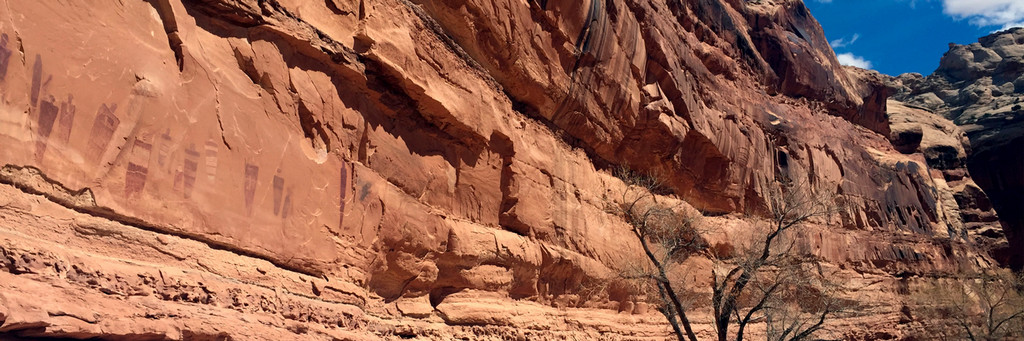
What better place to explore spiritual and religious landscapes than Utah, home to the Church of Jesus Christ of Latter-day Saints, vibrant Indigenous cultures, and five stunning national parks! We’ll depart for Salt Lake City on the Friday before Fall Break, then meet up with Professor David Walker, an expert on the Mormon tourist economy. We’ll spend our first day exploring LDS attractions in Temple Square. From there, we’ll head south into Utah’s famed canyon country. On Sunday, we’ll hike into a remote section of Canyonlands National Park to view the Great Gallery—easily the most breathtaking Native American rock art site in North America. And we’ll spend a day meditating on nature spirituality as we ramble over sandstone fins at Arches National Park and discuss selections from Edward Abbey’s classic Desert Solitaire.
Research and Capstone Experience
I anticipate that we’ll have enough funds to support a second trip. During the spring semester, we’ll travel by van to Kentucky for a weekend visit to two controversial religious tourist attractions: the Creation Museum and Ark Encounter. Readings during the spring semester will focus on placing these evangelical theme parks in historical context.
For final projects, class participants will work in teams to produce five-minute digital storytelling videos that examine an aspect of material religion from one of the sites we have studied over the course of the year.